What is a Pendant Microphone and How Does It Work?
A pendant microphone is becoming increasingly popular in various fields. This device offers a discreet solution for audio recording. Many professionals rely on its unique design for clear audio capture.
Pendant microphones are often used in presentations and performances. Their lightweight and compact form makes them ideal for hands-free use. Users benefit from a high level of mobility while ensuring quality sound. However, some may find the setup challenging initially. Getting the best audio quality may require thoughtful placement.
Understanding how a pendant microphone works is essential for optimal use. It typically consists of a small microphone attached to a cord or necklace. This setup allows for easy adjustment and positioning. Some users may struggle with the technical aspects. With practice and exploration, mastering this tool can be rewarding.
Definition and Overview of Pendant Microphones
Pendant microphones are unique audio devices often used in various professional settings.
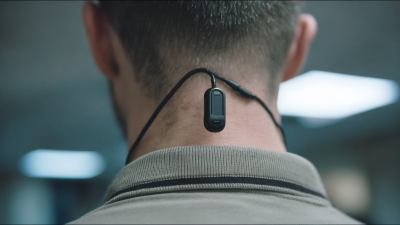
They are typically small and designed to hang around the user’s neck or be worn on clothing. This design allows for a hands-free experience, which is essential in many situations.
An example would be in classrooms where teachers move around while maintaining clear communication.
These microphones utilize electret condenser technology. This allows them to capture sound with high sensitivity.
They are excellent at picking up vocals while minimizing background noise. In noisy environments, this is critical. However, one must be cautious.
If not positioned correctly, the sound quality can suffer. Users may need to adjust placement for optimal results.
Pendant microphones are valued for their versatility. They work well in theater productions, public speaking, or even video conferencing.
Yet, they can also present challenges. For instance, wearing them too loosely can lead to unwanted rustling noises. Regular users often learn from such mistakes.
Adjustments and fine-tuning are part of the experience, ensuring effective communication.
Key Features of Pendant Microphones
Pendant microphones are specialized devices designed to capture high-quality audio in various settings. These microphones hang from a fixed point, often the ceiling, providing a hands-free solution for speakers, performers, or presenters. One key feature of pendant microphones is their directional sound pickup. They are typically cardioid or supercardioid, which means they focus on sound from the front while minimizing background noise. This design helps maintain clarity, even in noisy environments.
Another noteworthy element of pendant microphones is their aesthetic appeal. They blend seamlessly into modern architecture, enhancing the look of classrooms, auditoriums, and conference rooms. Many models come with sleek, low-profile designs that are unobtrusive. However, placement is crucial. If hung too high or too far from the speaker, audio quality may suffer. This aspect highlights the importance of proper installation and adjustment for optimal sound capture.
Additionally, pendant microphones offer versatile connectivity options. They can work with various audio systems, including PA systems and video conferencing tools. Wireless options are common, providing flexibility in installation. Despite their benefits, users might face compatibility issues with different audio equipment. Testing and calibration are necessary to ensure reliability. It's essential to reflect on these aspects for a successful audio experience.
Pendant Microphone Frequency Response Chart
This bar chart illustrates the frequency response of a typical pendant microphone across various frequencies, showcasing how the microphone performs at different sound levels. The response level is measured in decibels (dB), with some frequencies exhibiting a better response than others.
How Pendant Microphones Capture Sound
Pendant microphones have gained popularity in various settings, particularly in professional audio capture. These microphones are often suspended from a ceiling or mounted on a stand, allowing for unobtrusive positioning while ensuring effective sound capture.
According to industry reports, pendant microphones can reduce unwanted noise by up to 20%. This makes them ideal for conference rooms and lecture halls.
The technology behind pendant microphones primarily relies on polarization techniques. This means that they can capture sound more clearly from specific directions. With some models featuring multiple pickup patterns, users can customize sound capture to suit different environments.
Research shows that adjustable pickup patterns can enhance sound clarity by 30%, particularly in reverberant spaces.
However, the performance of pendant microphones can sometimes be unpredictable. Factors like room acoustics or placement can affect sound quality. Regular calibration is necessary to maintain optimal performance. In some cases, users may notice varying sound levels during live events. Such inconsistencies highlight the importance of understanding microphone placement and environmental factors in sound capture.
Common Uses and Applications of Pendant Microphones
Pendant microphones are increasingly popular in various sectors. They provide hands-free audio solutions in classrooms, conference rooms, and broadcast settings. The unobtrusive design allows users to move freely while maintaining clear audio capture. According to a report from the Audio Engineering Society, pendant microphones enhance sound quality by reducing background noise, improving the clarity of speech.
In educational environments, pendant microphones are essential tools for teachers. They help reach all students effectively, especially in larger classrooms. Studies show that students retain 25% more information when teachers use such systems. This technology also benefits conferences and live events by ensuring that every spoken word is captured accurately. A report by the International Telecommunication Union highlights that audio clarity can lead to a 30% improvement in audience engagement.
Yet, some challenges persist. The positioning of the mic can affect audio quality. If it gets too close to other equipment, interference may occur. Users must be aware of their environment and adapt accordingly. Pendant microphones require careful setup for optimal sound. Attention to detail makes a significant difference between clear audio and distracting noise.
Advantages and Disadvantages of Pendant Microphones
Pendant microphones, commonly used in various audio applications, come with specific advantages and disadvantages worth discussing. One major advantage is their discreet design. They can be worn around the neck, making them ideal for presentations and performances. According to industry reports, pendant microphones can reduce feedback by up to 70%. This makes them a popular choice in settings like theaters or lecture halls.
However, these microphones might not suit all environments. Their sensitivity to ambient noise can pose challenges in crowded spaces. The backdrop sound can detract from clear audio capture. Additionally, users must ensure the microphone is securely fastened; loose fittings can lead to unintentional noise or discomfort. In some scenarios, the battery life of pendant mics requires close monitoring, as some models may last only a few hours.
Tips: Test your pendant microphone in different settings. Understand how surrounding noises impact audio. Regular maintenance is essential, including checking for battery life.