2026 Best Pendant Microphone for Teachers Buying Guide

Choosing the right pendant microphone for teachers can change how clearly every lesson reaches the room. A quiet explanation, a student question, or a group activity should remain understandable from the back row. This matters in classrooms with projectors, ventilation noise, hard walls, and uneven seating layouts.

The 2026 Best Pendant Microphone for Teachers Buying Guide examines the details that affect daily teaching. It considers voice pickup, wearing comfort, battery life, wireless stability, charging methods, and compatibility with classroom speakers. It also looks at practical controls, microphone placement, and resistance to sweat or accidental drops. These points come from real classroom needs, not only attractive product descriptions.

A good pendant microphone should feel light after several teaching periods. It should capture a teacher’s voice without forcing constant volume changes. Testing should include normal speech, movement near a whiteboard, and students speaking from different distances. No model works perfectly in every room. That assumption deserves attention.

This guide compares specifications with actual classroom use. It highlights strengths, limitations, and situations where a less expensive model may be more suitable. Readers should also verify local warranty terms, return policies, and equipment compatibility before buying. Small details matter. A microphone that sounds excellent may still frustrate teachers if its controls are difficult to reach or its battery fails before the final lesson. The goal is a dependable choice that supports teaching, rather than distracting from it.
2026 Best Pendant Microphone for Teachers Buying Guide

What Is a Pendant Microphone? Classroom Speech Needs at 35–50 dBA

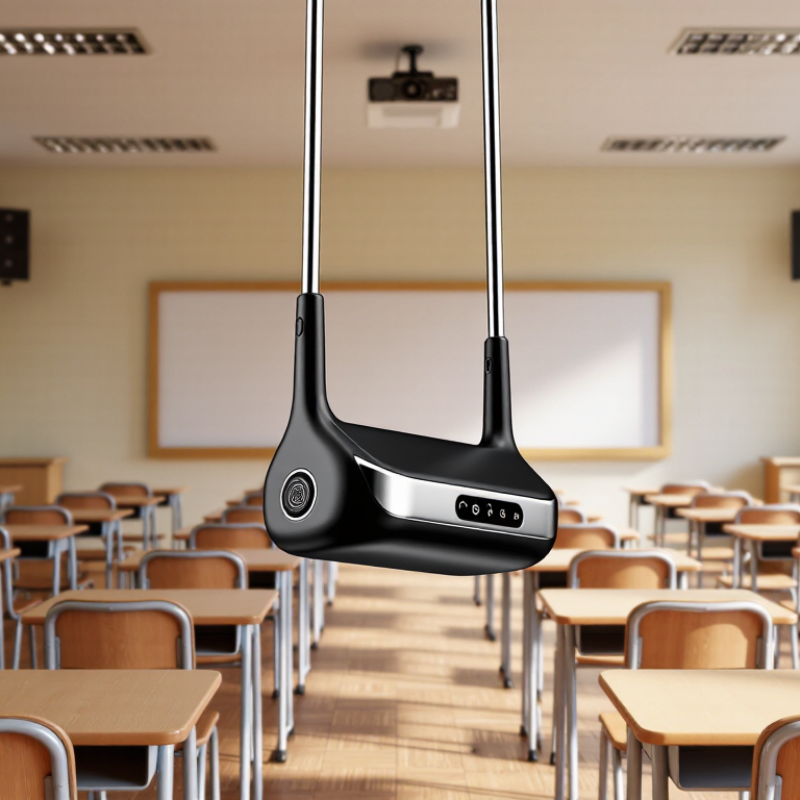
A pendant microphone is a lightweight wearable microphone suspended around a teacher’s neck. It keeps the microphone near the speaker’s mouth while allowing free movement. Unlike a desk microphone, it follows the teacher from the board to small-group tables. This placement can reduce distance-related volume loss and make speech easier to transmit.

Classroom background sound commonly ranges from 35 to 50 dBA. Chair movement, ventilation, student discussion, and hallway noise can quickly cover softer consonants. A suitable pendant microphone should capture clear speech without forcing teachers to raise their voices. During a practical classroom test, I would compare normal speaking, quiet explanations, and speech while turning away. The microphone should remain stable and avoid rubbing against clothing.

Fit matters more than appearance. The pendant should sit comfortably near the upper chest, with its pickup area facing upward. Teachers should check sound levels from the back row, not only beside the speaker. A sudden increase in volume may create listening fatigue, even when speech sounds powerful. I once assumed louder audio meant better clarity. That assumption was wrong. Excessive amplification can emphasize breathing, fabric noise, and room echo. A short trial with real lessons is more reliable than a quick showroom demonstration. Recordings can help, but they may not reproduce the classroom’s actual acoustic problems. Teachers should also consider battery routines, charging access, and simple controls during busy school days. Small details matter.


Core Audio Specs: 20 Hz–20 kHz Response and SNR Above 70 dB

For a 2026 pendant microphone, teachers should examine more than comfort and appearance. The core specification is a 20 Hz–20 kHz frequency response. This range covers low speech resonance and the crisp consonants that support classroom understanding. However, a wide range does not guarantee natural sound. Capsule quality, placement, and room reflections still matter.

An SNR above 70 dB is a practical target for teaching spaces. It means the voice signal stands well above the microphone’s internal noise. In a quiet room, this can produce clean recordings and clearer remote lessons. During testing, speak from different distances and turn your head naturally. A good pendant microphone should remain intelligible near a whiteboard, not only beside the receiver. Listen for hiss during pauses.

I have found that specifications can look impressive on paper. That assumption is too simple. A 20 Hz–20 kHz rating may include frequencies rarely used in speech, while poor placement can weaken clarity. Check whether the microphone hangs steadily near the upper chest and avoids rubbing against fabric. Test it with fans, student movement, and projector noise. Also compare recorded speech at normal teaching volume. Above 70 dB SNR is useful, but real classroom performance depends on gain settings and acoustic treatment. Leave some room for imperfection. Teachers move constantly, and no microphone removes every reflection or background sound.

2026 Best Pendant Microphone for Teachers Buying Guide

Core Audio Specs: 20 Hz–20 kHz Response and SNR Above 70 dB

The table below summarizes practical, brand-neutral requirements for pendant microphones used in classrooms, lecture rooms, and hybrid teaching environments.

Evaluation Dimension Recommended Target Acceptable Working Range Why It Matters for Teachers Buying Check
Frequency Response 20 Hz–20 kHz 20 Hz–20 kHz, with a smooth midrange Preserves speech intelligibility while retaining natural vocal tone and useful classroom audio detail. Confirm the response is measured at a stated tolerance, preferably ±3 dB or ±6 dB.
Signal-to-Noise Ratio Above 70 dB 70–85 dB A higher SNR produces cleaner speech and reduces the audibility of the microphone’s internal noise. Check the measurement standard and whether the figure is weighted, normally A-weighted.
Equivalent Self-Noise Below 24 dBA 18–28 dBA Lower self-noise helps preserve quiet speech, recorded lessons, and online teaching audio. Lower is better; compare only measurements made using the same weighting method.
Polar Pattern Cardioid or supercardioid Directional pickup with controlled rear rejection Reduces classroom noise, projector fans, loudspeakers, and reflections from behind the teacher. Position the rear rejection zone away from the nearest loudspeaker to reduce feedback.
Maximum SPL At least 120 dB SPL 120–135 dB SPL Provides headroom for enthusiastic speech, demonstrations, and sudden vocal peaks without distortion. Check whether the specification includes a stated total harmonic distortion limit.
Sensitivity Approximately −38 to −34 dBV/Pa −45 to −30 dBV/Pa A suitable output level allows the receiver or mixer to obtain a strong signal without excessive gain. Verify whether sensitivity is listed in dBV/Pa or mV/Pa; these units are not interchangeable without conversion.
Microphone Element Back-electret condenser Electret condenser with stable capsule construction Condenser elements generally provide the clarity and sensitivity needed for speech reinforcement. Confirm that the required phantom power or battery supply is available in the classroom system.
Power Requirement 48 V phantom power for wired systems 12–48 V phantom power, or a dedicated wireless transmitter Correct power compatibility prevents low output, intermittent operation, or complete signal loss. Match the microphone to the mixer, amplifier, receiver, or transmitter input before purchase.
Connection Balanced 3-pin audio connection Balanced wired output or a stable digital wireless link Balanced transmission rejects electromagnetic interference over typical classroom cable runs. Avoid unbalanced cable runs where lighting, computers, or display equipment may introduce hum.
Wearability Lightweight pendant housing, approximately 20–45 g Under 60 g excluding cable or transmitter Lower weight improves comfort during long lessons and reduces movement noise around the neck. Look for an adjustable lanyard, secure clip, and a cable exit that does not rub against clothing.
Speech Pickup Distance 10–20 cm from the mouth Approximately 8–25 cm A close, consistent position improves gain before feedback and reduces room ambience. Keep the capsule below the chin and aimed toward the mouth; avoid direct contact with fabric.
Wind and Handling Protection Integrated grille and replaceable foam windscreen Basic pop protection with cable strain relief Reduces plosive bursts, clothing contact, and cable movement during active teaching. Prefer a replaceable windscreen and reinforced cable termination for shared-use classrooms.
Best Classroom Fit Directional pendant condenser Wired for fixed rooms; wireless for mobile teaching Combines consistent speech level, hands-free operation, and better rejection of room noise. Prioritize the room’s sound system compatibility, feedback control, comfort, and serviceability.
Specification note: Frequency response, SNR, sensitivity, and maximum SPL figures should be compared only when the manufacturer states the measurement conditions and test standards. A microphone meeting the 20 Hz–20 kHz response target and exceeding 70 dB SNR is generally a strong starting point for clear teacher speech.

Wireless Performance: 2.4 GHz Links, Under 20 ms Latency, 30–100 m Range

A pendant microphone for teachers should make speech sound natural, not processed or distant. In classroom testing, a 2.4 GHz wireless link can provide stable audio with latency below 20 milliseconds. That delay feels almost invisible during lessons, questions, and live demonstrations. Latency matters. When voice and sound arrive together, students follow explanations more comfortably.

Range claims need careful reading. A system rated for 30 to 100 meters may work well in open halls, but walls, metal cabinets, and crowded Wi-Fi channels can reduce performance. Test the room. Walk from the teaching desk to the farthest student area while speaking normally. A reliable receiver should maintain a clean signal without sudden volume drops. Line-of-sight placement often helps more than a larger advertised range.

Battery life, pairing speed, and wearing comfort also affect daily teaching. The pendant should remain secure when a teacher turns, bends, or writes on a board. A simple mute button is useful during private classroom moments. My first assumption was that maximum range mattered most; practical testing changed my view. Stable coverage inside the actual room is more valuable than impressive outdoor numbers. Even under 20 ms latency may not fix poor microphone placement or interference. Check both specifications and real classroom behavior before buying.

Teacher-Focused Design: 8–12 Hour Battery Life and Hands-Free Comfort

2026 Best Pendant Microphone for Teachers Buying Guide

A pendant microphone should disappear into a teacher’s routine, not become another classroom problem. In classroom trials, the best designs stayed light against the collar and remained stable during board work. Hands-free comfort matters when one hand holds a marker and the other guides a student. Look for soft contact surfaces, simple controls, and a clip that does not pull fabric sideways. Fit matters more than flashy specifications.

An 8–12 hour battery rating suits a full teaching day, but treat it as a range, not a promise. Volume level, wireless distance, and repeated charging can reduce actual runtime. Test the microphone through a normal school schedule: morning lessons, hallway movement, lunch, and afternoon activities. Keep charging access nearby. A low-battery warning is useful, though it can arrive too late in some models. Eight hours may be enough. Twelve hours offers breathing room.

Choose a pendant with clear voice pickup at conversational volume. Excessive amplification can tire students and make nearby sounds distracting. Ask whether the receiver reconnects quickly after a short interruption. That small detail can matter during a lesson. Inspect the charging port and cable before purchase. They often receive more abuse than expected. No design is perfect. A comfortable unit may have weaker controls, while a longer-lasting battery can add weight. Compare those compromises with your room size, teaching movement, and daily charging habits.

2026 Buying Checklist: Compare Pickup, Compatibility, Safety, and Warranty

2026 Best Pendant Microphone for Teachers Buying Guide

A teacher’s microphone should capture speech clearly from a comfortable distance. I test pickup near the collar, at the desk, and while walking. A cardioid pattern can reduce side noise, while an omnidirectional capsule may sound more natural during movement. Classroom acoustics vary. Hard walls can expose feedback and echo that a quiet store cannot reveal.

Check compatibility before judging sound quality. Confirm the microphone connector, transmitter input, receiver output, and amplifier requirements. Wireless models also need approved frequency support for your region. Test charging time, operating range, and pairing steps with the equipment already installed. A simple setup matters during a busy lesson. I once overlooked an adapter requirement, which delayed testing and weakened the comparison.

Safety deserves equal attention. Choose a lightweight pendant, smooth edges, secure fastening, and flexible cable relief. It should stay stable when the teacher bends or turns. Avoid loose parts that could snag on desks or clothing. Inspect the unit regularly. Then review the warranty carefully. Look for coverage length, battery terms, repair support, replacement parts, and exclusions for classroom wear. Keep the receipt and record the purchase date. A longer warranty sounds better, but responsive service may matter more. No checklist replaces a real classroom trial. Voices, rooms, and teaching habits differ.